
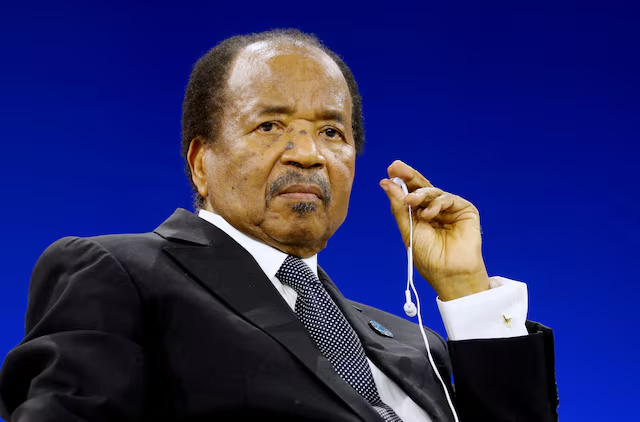

In a move that is seen as a strategic attempt to solidify support ahead of his bid for re-election, Cameroonian President Paul Biya, the world’s longest-serving head of state at 92 years old, has overhauled the top leadership of the country’s military. This significant reshuffling comes just weeks before the October 12 presidential election, in which Biya, who has held power since 1982, is seeking his eighth term.
The reshuffle, announced in a series of presidential decrees on July 16, affects nearly every branch of the armed forces. Among the changes are the appointments of new chiefs of staff for the infantry, air force, and navy. Additionally, eight brigadier generals have been promoted to the rank of major general. Notably, the head of the Rapid Intervention Battalion (BIR), an elite special forces unit that plays a critical role in counter-terrorism efforts, was among those promoted. The BIR is considered one of the most powerful components of Biya’s security apparatus.
The decrees also introduced a new special presidential military adviser, signaling further consolidation of Biya’s control over the country’s defense forces. While the government has not provided an official explanation for the overhaul, it follows a period of growing public outcry about Biya’s advanced age and his prolonged absences from Cameroon. The political and social pressure has raised doubts about his ability to govern effectively, particularly as he prepares for an election that could extend his rule well into his late 90s.
The move is seen by analysts as an effort to reassure both the public and the military of Biya’s continued authority, especially following a wave of criticism after he announced his candidacy. The decision comes just months after another shake-up within the military, which was prompted by concerns about Biya’s health and his extended stays abroad.
With Cameroon’s military reshuffle now complete, all eyes will be on how these changes affect the upcoming election, as Biya’s long-standing dominance faces new scrutiny from both local and international observers.