
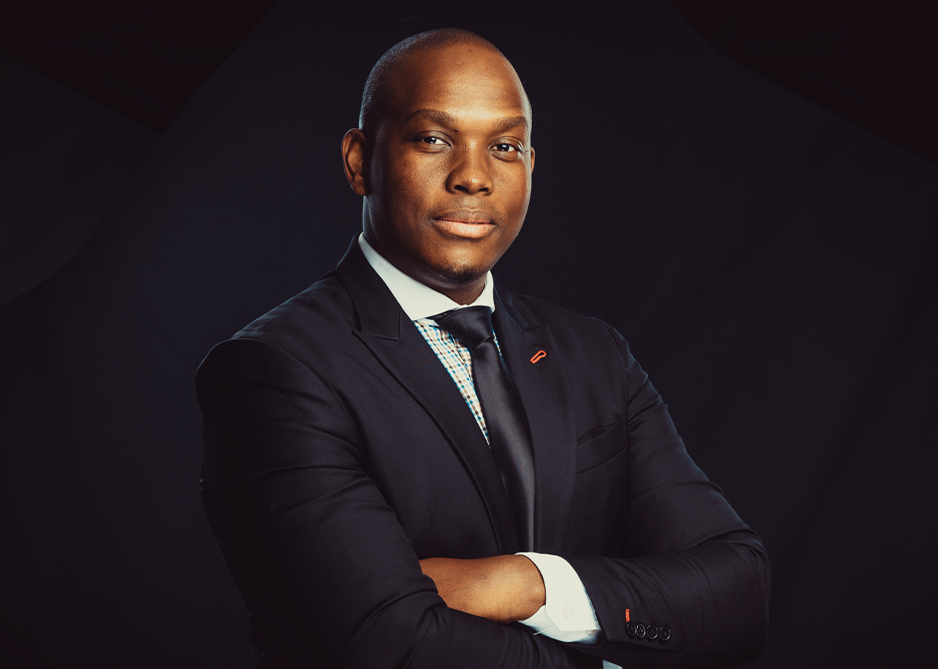

Vusi Thembekwayo: From Township to the Top of South African Business
Vusi Thembekwayo has been called many things. Join him on his inspiring journey from the township to the top echelons of South African business, becoming one of the youngest directors of a listed company and CEO of a boutique investment firm. As a ‘Dragons’ Den’ judge and a sought-after public speaker across the globe, Vusi doesn’t just talk business—he lives it. Now, you can learn the secrets of his success and how to shape your own destiny.
A businessman through and through, Vusi is a man who spends more time at his offices than at home. As Africa’s number one speaker by the age of 20, and a prominent venture capitalist, he is working to balance his personal and professional life better.
Vusi’s career history is a testament to hard work, dedication, and a deep commitment to entrepreneurship. He turned the Metcash Group’s new business division into a R461 million a year turnover company. He co-founded private equity firm Watermark Capital Partners, funded and co-founded Speakers Bootcamp, and became the only African invited to speak at the World Bank.
He also founded the Inspiration Project, a tech-enabled narrative lab reshaping the story of Africa. Vusi has been a Dragon on Dragon’s Den Africa and founded Iconoclast, a boutique specialist public speaker representation management agency.
From Humble Beginnings to Success
The journey began in a small township south of Benoni on the East Rand. It was so small that you could drive through it in seven minutes, including the speed humps. “Around the time Nelson Mandela was on his way to being released from prison, model C schools opened up, and I got the chance to attend one,” he recalls.
“At my old township school, I was two grades ahead, but when I tried at these new schools, I was sent back two grades,” Vusi says.
From Benoni High School, Vusi moved on to Wits University, but due to financial constraints, he couldn’t finish his studies. “I really understand where these ‘fees must fall’ students are coming from,” he says.
Vusi then took a job in sales at an IT company, and it turned out he was exceptionally good at it. His public speaking skills—developed in Grade 9—helped him excel. By Grade 11, he had won the national public speaking competition, then the African Championship, and later participated in the World Championships, where he was ranked number one in Africa and third in English public speaking by the age of 20.
The Power of Words
The self-made man has Rudyard Kipling’s poem “If” hanging in his office:
“If you can meet with Triumph and Disaster,
And treat those two impostors just the same.”
The idea behind the poem is that neither victory nor defeat defines who you are. It took me a while to learn that in life, because we love to wear our successes as badges and hide our failures,” he explains. Everyone should understand that both victory and defeat are inevitable, but they don’t define who you are as an individual. Your successes should humble you, reminding you that that’s where you are at the moment, and things can change at any time.
Testing the Waters of Entrepreneurship
“I started off with a public speaking business and some management consulting on the side. We had offices in Centurion. I had enough money to pay my car installments, my assistant, and my rent three months ahead. The problem was, seven months later, I had still not made a cent,” he explains.
“By then, I was four months behind on my installments, owing rent, and my assistant had been coming to work every day without being paid. This was the first time I experienced failure. Before that, everything was success. I was forced to pack everything up and move on. I understand failure very well.”
He adds that his spirituality has taught him that God teaches you the lessons you need to learn, not the lessons you want to learn.
At the time, what God was teaching him was that he couldn’t talk to aspiring entrepreneurs about failure if he hadn’t experienced it himself.
“It’s interesting how you learn to deal with banks when you’re in trouble. My advice is never to avoid those phone calls. Be honest and communicate,” he advises.
Knowing Yourself
Entrepreneurs often fail because they don’t know who they are as individuals. Not knowing yourself ultimately leads to not knowing what you want or where you want to go as an entrepreneur.
“The single most important thing any human being can have is knowledge of self. This holds true regardless of race, gender, or social background. We don’t know ourselves and waste time trying to mirror other people,” he comments.
-
Know who you are—not only the things you like about yourself but also the things you don’t like about yourself.
-
Know where you’re going.
-
Have the discipline of pace—don’t worry about what’s trending.
Thembekwayo is a man who practices what he preaches, and preaches to his children. He writes a letter to his kids every month, so they’ll remember where they were in life when he wrote them the letter. He recently wrote a letter to his oldest son, which read:
“As you grow, you will learn that life can either be as easy or as difficult as you make it. Everything that you influence influences you, and everything you touch, touches you.”
What Motivates Vusi Thembekwayo
What motivated Thembekwayo to become successful were the very things he was always running away from. When his father started a business that didn’t work out, he used their house as collateral, which almost led to them losing their home. The fear of struggling again drove him to achieve more.
“I want to be the number one speaker in the world, so at some point, I’ll have to leave South Africa to do that. I’m trying to build the largest venture capital firm south of the Sahara because the guys south of the Sahara don’t have it figured out like the guys in the North,” he explains.
Thembekwayo wakes up excited about his work because he has a vivid vision of what success looks like when it’s achieved. “It’s an incredible feeling when your life is that connected to a purpose.”
My Growth Fund
Thembekwayo’s Growth Fund focuses on three key initiatives:
-
Building Hubs Around South Africa
The first hub was launched in Thohoyandou, Limpopo, a project two years in the making with R4 million invested. These hubs serve as places of hope for the communities they’re built in. They are free to use and provide access to computers, free internet, and phones. “People in Johannesburg have places to go when they want to start a business, but people in townships or rural areas don’t have that luxury,” he explains.“People in the townships convert their garages into spaza shops or workshops, even spaces for manufacturing. But who helps those people set up an account system for their businesses? Who gives them access to a boardroom to meet with clients?”
-
Supporting High-Growth Black-Owned Businesses
The fund also helps successful black-owned businesses that are not managing their finances properly. The goal is to build systems that allow these businesses to run effectively. This is where the Top 40 Program comes in. Initially recruiting 40 entrepreneurs, only 12 remain as some people failed to commit to the process. “We’re relentless. If we give you an instruction to do something and you don’t do it, it’s just not worthwhile,” Thembekwayo states. -
Building a Fund
Lastly, Thembekwayo is working on building a fund and is currently in talks with both local and international partners.